
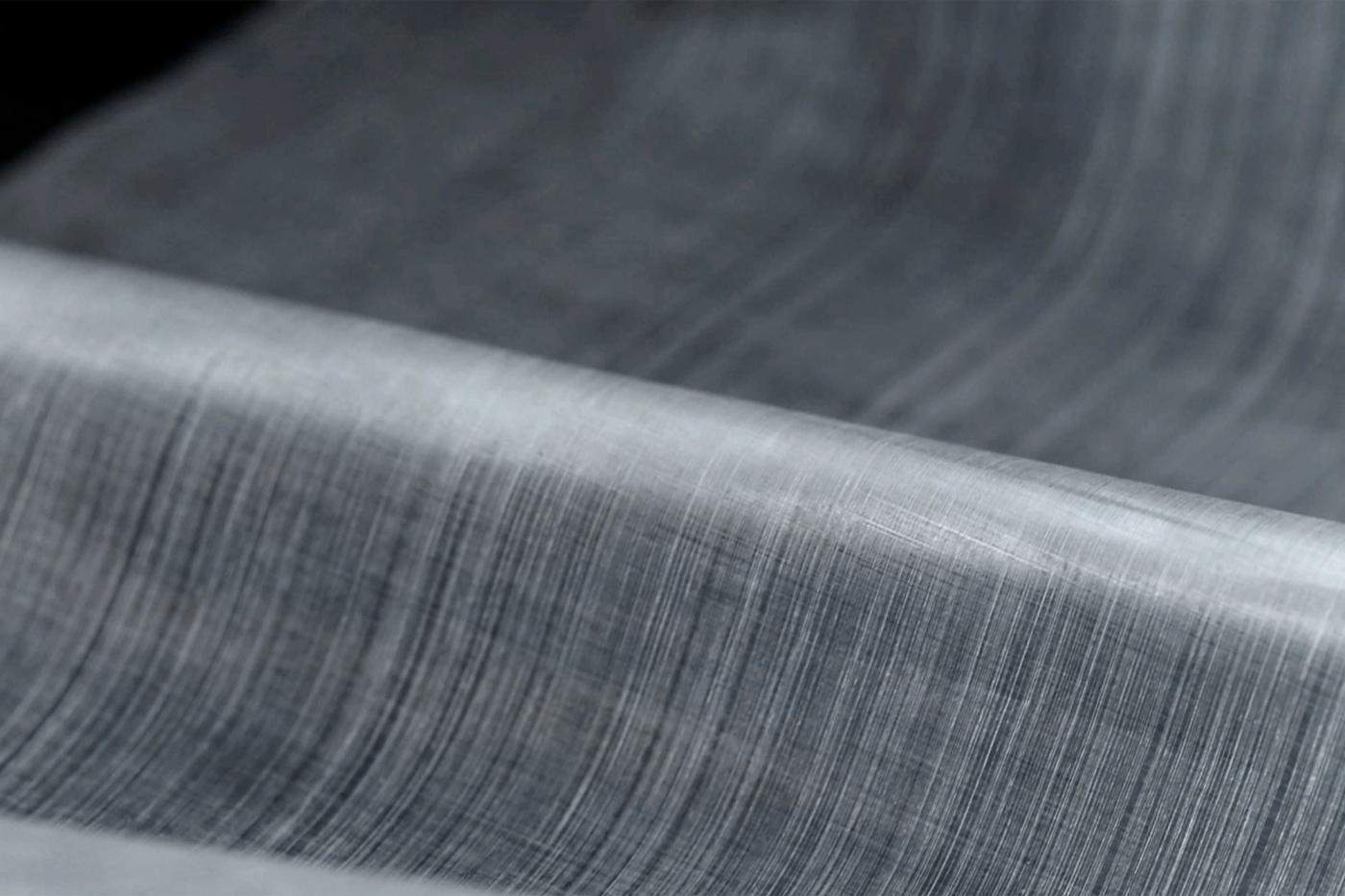
Lightweight with structure
Dyneema Composite
Used where low weight matters but shape control also needs to remain stable.
Pros
Very low weightWeather resistance
Trade-offs
Crisper hand feelHigher material cost
Materials / Fabrics / Hardware
Materials are selected based on how they perform in use.
We prioritize resistance to wear and the ability to maintain structure over time.
Each material is chosen for a specific role, balancing weight, durability, and stability.
No material is used for its image alone. Selection is driven by practical function.
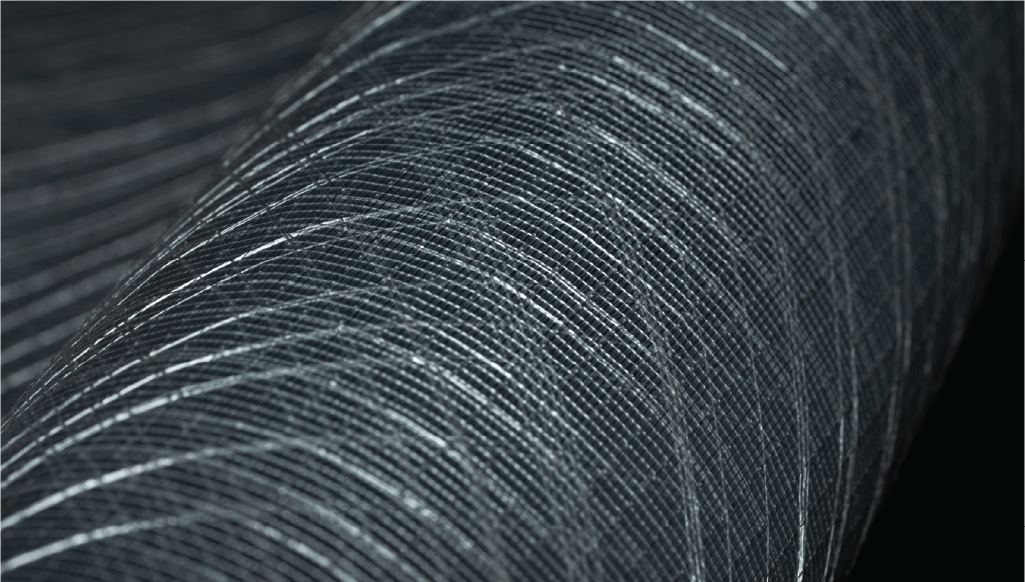
Material study / surface behavior / long-term use
We look at wear, shape retention, and ease of use. Material choice follows function.
Fabric Families
Lightweight with structure
Used where low weight matters but shape control also needs to remain stable.
Pros
Trade-offs
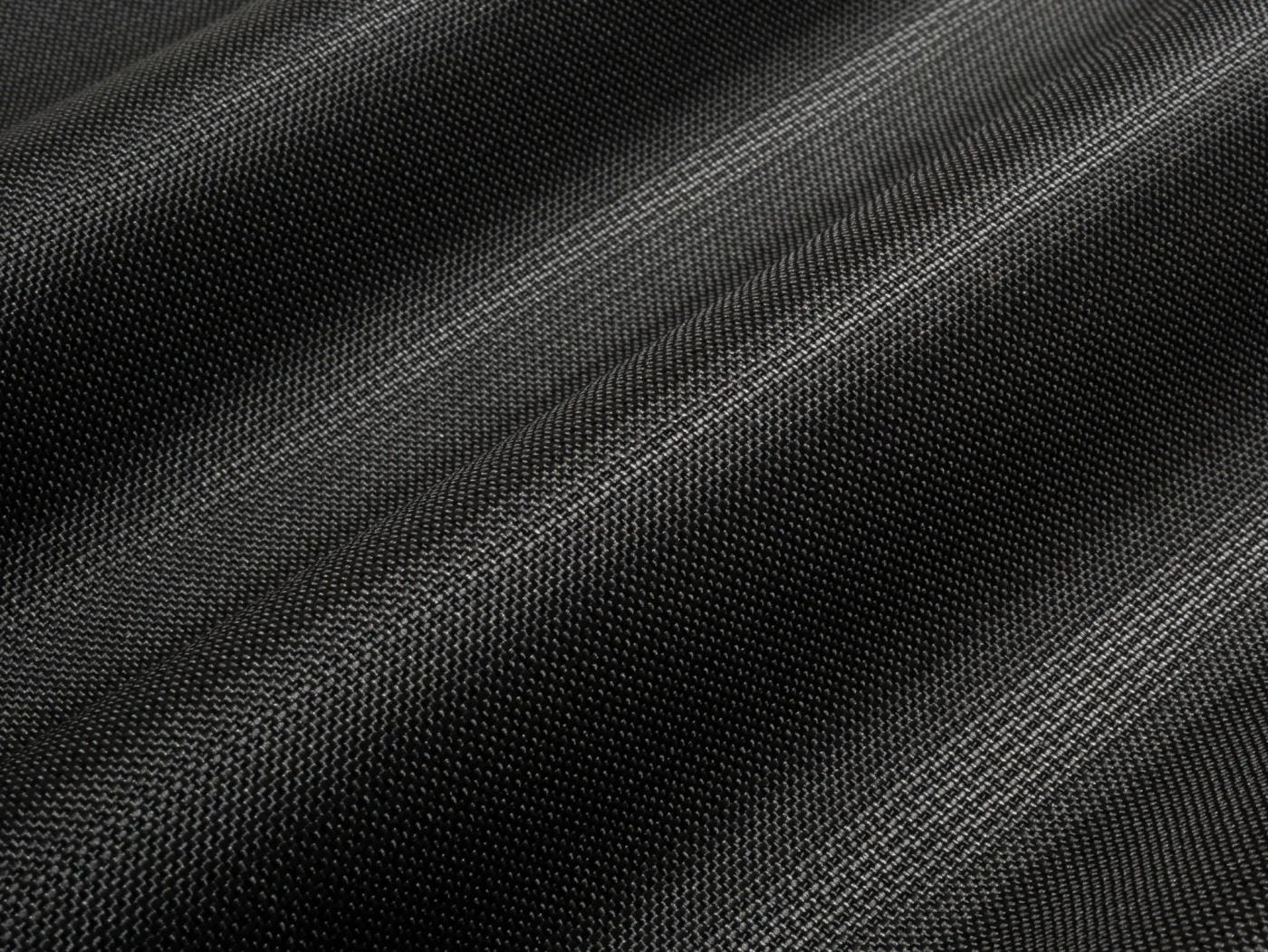
Durability with dry surface feel
Used where abrasion resistance, weather resistance, and structure need to work together.
Pros
Trade-offs
Laminated stability
Useful when dimensional stability and internal order are more important than softness.
Pros
Trade-offs
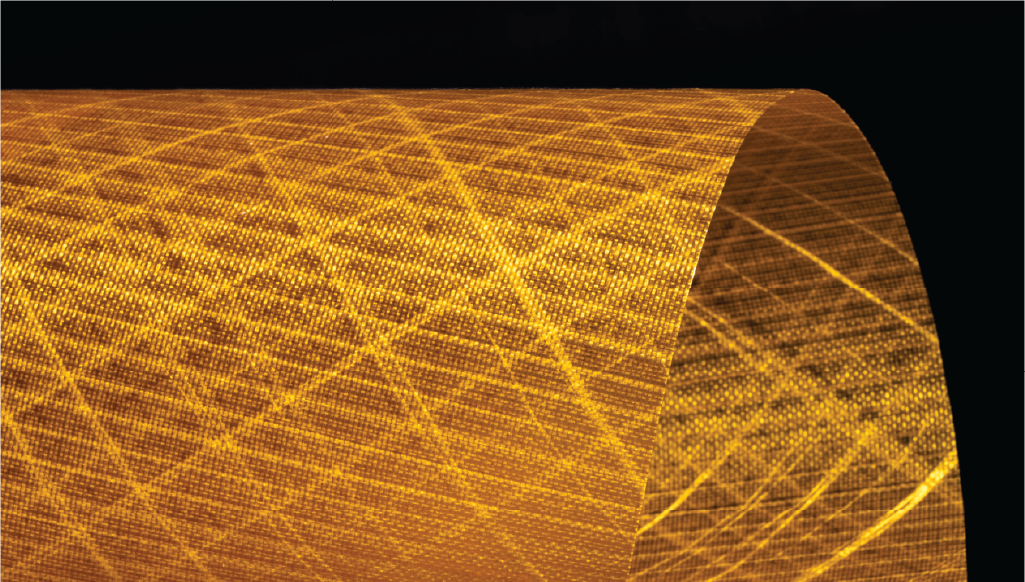
Very low weight for selective use
Used only when lower weight has a clear purpose in the product.
Pros
Trade-offs
Hardware Index
Hardware is selected for simple use, stable control, and long-term reliability.
Used for buckles, adjustment, and controlled tension. Reliability comes first.
Used where opening and closing needs to remain consistent over time.
Used when one-handed access and simple operation are useful.
Used selectively where compact adjustment improves practical use.
Hardware Reference
Trims and closures are not decorative. Each one is used for a clear function.
Primary zip closure
Best For
Main openings and repeated daily use
Why It Matters
Used where the opening must stay predictable over time.
Fast magnetic closure
Best For
One-handed access and flap systems
Why It Matters
Used where quick access improves handling without adding complexity.
Buckles and load control hardware
Best For
Compression straps and attachment points
Why It Matters
Used where stable adjustment and reliability matter.
Strap adjustment and modular connection
Best For
Strap adjustment and compact tension control
Why It Matters
Used where adjustment needs to feel clean and repeatable.
Lightweight fastening infrastructure
Best For
Secondary retention and lightweight accessory systems
Why It Matters
Useful where weight needs to stay low without extra visual noise.
Micro-adjustment system
Best For
Selective precision adjustment
Why It Matters
Used only where micro-adjustment creates a clear gain in use.
Comparison Table
No single fabric is best in every respect. What matters is the relation between mass, abrasion, weather tolerance, and the kind of structure a product needs.
material
Dyneema Composite
weight
very low
abrasion
moderate to high
weather
Excellent
hand feel
crisp and shape-retentive
best use
weight-sensitive shells and weather-focused builds
material
Challenge Ultra
weight
low
abrasion
very high
weather
excellent
hand feel
dry and firm
best use
high-wear bag bodies and mounted luggage
material
X-Pac
weight
low to medium
abrasion
high
weather
very good
hand feel
layered and rigid
best use
liners, stabilized panels, and structured bags
material
Aluula
weight
extremely low
abrasion
high
weather
excellent
hand feel
taut and very light
best use
selective prototypes and tightly scoped lightweight builds
Most are derived from outdoor and protective applications. Selected for their behavior in use, not for symbolic meaning.
Closures, ladder locks, toggles, and dial systems are selected for ease of use in hand. Good hardware requires no explanation.
Unusual trims and components are considered only when they provide clear benefits in adjustment, storage, or durability.
Applied To Products
Used In
Used where abrasion resistance, weather resistance, and structure need to stay balanced without excess mass.
Used In
Used where low weight and stable carry matter in compact shells and daily-use pieces.
Used In
Used where dimensional stability and internal structure improve loading and long-term use.
Future Materials
Not every new material deserves a product. This section records what we are watching, testing, or reserving for more exact future applications.
Under evaluation
Reserved for selective prototypes where lower weight has a clear purpose.
Prototype interest
Future closure studies may use stronger magnetic systems where access becomes simpler without reducing stability.
Selective use only
Dial-based adjustment is relevant only where micro-adjustment clearly improves stability or fit.
Archive and research
We continue to review lightweight trims and reinforcement parts that may prove useful in bag systems.
Continue